When to Suspect and Treat Canine Parvovirus: Signs, Hospitalization & Recovery
Parvovirus in young canines is more common than you may think.
A sudden loss of appetite, repeated vomiting, or foul-smelling diarrhea in your puppy are often the initial warning signs of a deadly Canine Parvovirus or Parvo.
Parvo strikes hardest in unvaccinated puppies between 6 weeks and 6 months old. Every year, it affects hundreds of thousands of dogs in the U.S. The virus rapidly destroys the intestinal lining and immune system, leading to severe dehydration and secondary infections.
The good news? With early detection and aggressive veterinary treatment, survival rates can reach 90% or higher. Without treatment, up to 91% of infected puppies may die from the virus.
In this article, we’ll cover what parvo is, its common symptoms, proven treatment options, at-home care tips, and—most importantly—how to prevent it through vaccination and smart precautions.
What is Canine Parvovirus?
Canine parvovirus (CPV) is a highly contagious viral disease that mainly attacks your dog’s body at its weakest point.
It attacks rapidly dividing cells, especially in the intestines, destroying the inside of the gut and weakening the immune system.
Simply put, the virus targets the intestines, leading to vomiting and bloody diarrhea. That’s why parvo moves quickly through the bloodstream and feels sudden and severe.
Likewise, it attacks the bone marrow, reducing white blood cell counts and weakening the body's defenses.
A puppy can go from playful to seriously ill within 24 to 48 hours.
What Causes Parvovirus?
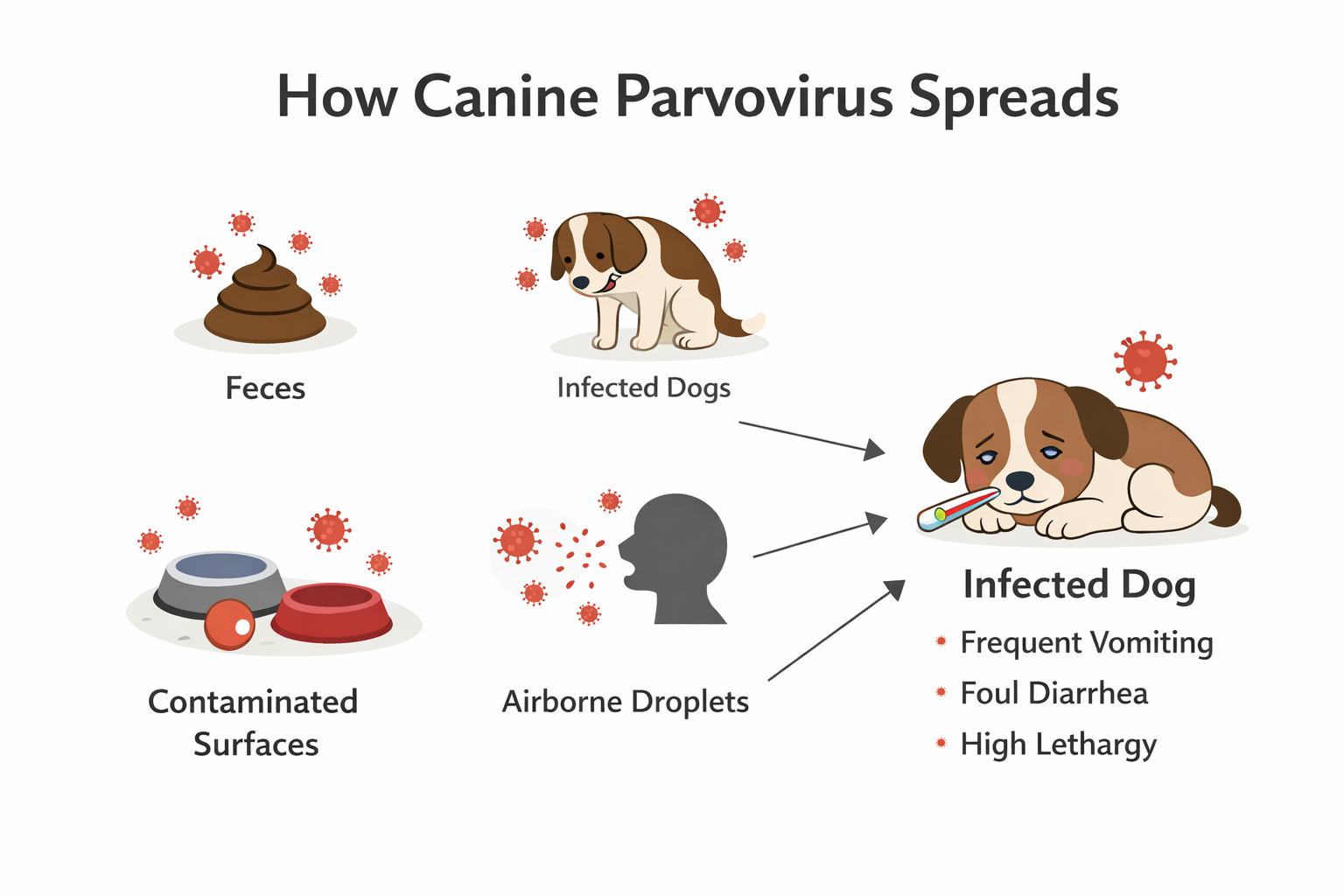
Parvo does not appear randomly. It spreads through contact with the pathogen via the host, such as infected feces or surfaces, or through other animals and humans.
1. Contact with infected poop
Dogs generally identify things through smell and taste.
If they sniff out and lick anything contaminated with infected feces, the virus may enter their body through the nasal stream.
2. Contaminated surfaces
Parvo can endure tough conditions, surviving for months on hosts (parks, streets, feces), in food bowls, kennels, and cages, and in clothes and shoes.
Even if no sick dog is present around, the virus may still be there.
3. Humans can carry it (indirectly)
People do not get sick from parvo, but they can carry it.
For example:
- You step on infected ground
- The virus sticks to your shoes
- You bring it home
- Your dog gets exposed
No direct contact needed.
4. Lack of vaccination
This is the biggest risk factor.
- Puppies without vaccines have almost no protection.
- Their immune system is still developing.
- The virus hits them harder and faster.
Signs and Symptoms to Watch For
Early detection is critical. Here’s what to watch for:
- Severe lethargy (dog becomes very weak, uninterested)
- Loss of appetite
- Vomiting (often frequent and severe)
- Bloody diarrhea (a key symptom, often foul-smelling)
- Fever or low body temperature
- Rapid dehydration (dry gums, sunken eyes)
Note: Puppies can go from mild symptoms to a critical condition within 24–48 hours. If your pup shows vomiting + diarrhea together, urgently visit the nearest vet or a pet hospital.
How Vets Diagnose Canine Parvovirus?
Vets do not wait around; they look at signs, test immediately, and start treatment right away.
1. The Diagnosis Starts with Symptoms
The first due comes from what the dog shows. The vet checks for:
- Severe vomiting
- Bloody diarrhea
- Extreme weakness
- Loss of appetite
- Signs of dehydration (dry gums, sunken eyes)
If a young or unvaccinated dog shows these signs, the vet immediately suspects parvo.
2. Rapid Parvo Test (Fecal Test)
This is the main test vets use.
Firstly, the vet takes a small sample of the dog’s stool. Then, s/he places it on a test kit and waits about 10 to 15 minutes.
If the test shows positive, then the virus is present. And if it shows negative, the virus is not present.
It’s quick, simple, and done right in the clinic.
3. Blood Test
Parvo does not just affect the gut – it directly hits the immune system. So, vets run a blood test to check the white blood cells (WBC) count.
A low WBC count is a strong sign of parvo. But it means the body’s defense system is weak.
This helps confirm how serious the infection is.
4. Check Hydration and Body Condition
Parvo causes heavy fluid loss.
Therefore, the vet examines:
- Gums à Dry or sticky means dehydration
- Skin elasticity à Slow return = fluid loss
- Heart rate and temperature
Parvo diagnosis is quick, practical, and urgent. Vets treat based on strong suspicion, not just test results.
Because parvo worsens hour by hour, treatment often starts even before full confirmation is made. Just fast decisions to save the dog’s life.
Treatment from Parvovirus
There is no direct drug that kills parvovirus. Your dog requires intensive supportive care. So, vets focus on supporting the dog’s body while it fights the virus.
Think of it like this: the virus weakens the dog, but the medication keeps the dog alive and stable until the immune system wins.
In most cases, dogs need hospitalization for 3 to 7 days.
1. IV Fluids
Parvo causes severe vomiting, heavy diarrhea, and rapid dehydration.
So, vets give IV fluids directly into the vein.
What IV fluids do:
- Replace lost water
- Balance electrolytes
- Prevent shock
- Keeps organs working
Without fluids, most dogs do not survive.
2. Anti-Vomiting Medications
Dogs with parvo cannot stop vomiting. Vets use drugs like Maropitant and Ondansetron.
The medications stop constant vomiting, help the dog hold fluids and food, and reduce stress on the body.
3. Antibiotics (Protection, Not Cure)
Parvo damages the intestines, allowing bacteria to leak into the bloodstream and cause dangerous infections (sepsis).
So, vets may administer broad-spectrum antibiotics to prevent secondary infections and protect the weakened immune system.
4. Glucose and Nutritional Support
When infected with parvovirus, many dogs stop eating completely. Plus, parvo causes diarrhea, too, which decreases body fluid levels.
To prevent dehydration, vets administer glucose (sugar) via IV and early assisted feeding once vomiting stops.
It maintains energy, prevents collapse, and supports healing.
Depending on severity, vets may add pain relief and deworming if parasites are present.
Moreover, vets also include plasma transfusion in critical cases.
Steps of Recovery of Parvovirus
Recovery does not happen instantly. It follows a clear pattern.
Phase 1: Critical Stage (Days 1-3)
- Severe vomiting and diarrhea
- Dog is weak, may not move
- Needs constant IV support
Phase 2: Turning Point (Days 3-5)
- Vomiting starts to reduce
- Diarrhea slows down
- Dogs become slightly alert
If the dog improves here, the chances of survival increase a lot.
Phase 3: Recovery Stage (Days 5-10)
- Appetite slowly returns
- Energy improves
- Dog starts standing, walking
Full recovery often takes more than 3 weeks, as your furry friend's immune system gradually strengthens.
At-Home Recovery Care
Once the dog leaves the hospital and comes home, your care matters just as much as the medical treatment.
|
AREA |
WHAT TO DO |
WHY IT MATTERS |
|
Feeding |
Small meals (boiled chi + rice) 4-5 times/day |
Easy to digest, restores strength |
|
Hydration |
Provide constant clean water |
Prevents relapse from dehydration |
|
Medication |
Follow vet instructions strictly |
Supports a full recovery |
|
Rest |
Provide a quiet, stress-free space |
Helps immune system heal |
|
Cleaning |
Disinfect floors, bowls, bedding, and toys daily |
Virus can survive for months outdoors |
|
Isolation |
Keep away from other pets for at least 2 weeks |
Prevents spread and reinfection |
|
Monitoring |
Watch for vomiting, diarrhea, and dehydration |
Early detection of relapse |
|
Health Tracking App |
Schedule all details, including medication, meals, grooming, and major bodily changes. |
Helps schedule and monitor serious physical and mental shifts |
How to Prevent Future Infections
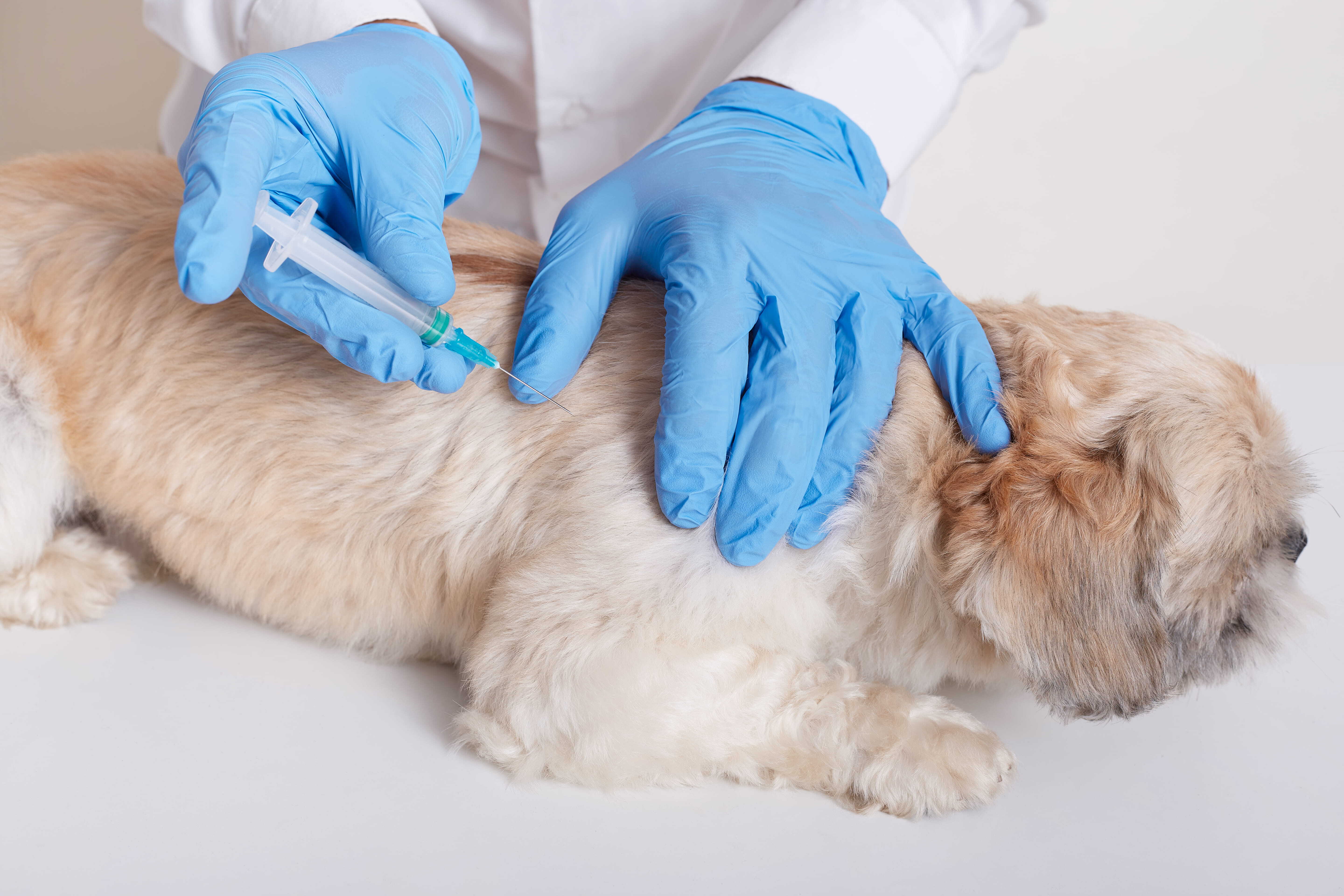
Parvo is tough; however, prevention is straightforward if you stay consistent.
- Vaccination: Follow the full puppy vaccine schedule
- Booster Shots: Keep immunity strong over time
- Limit Exposure: Avoid public areas before full vaccination
- Clean Environment: Use bleach-based disinfectants for a germ-free house
- Shoe Hygiene: Don’t bring contaminated dirt inside
- Avoid Unknown Dogs: Especially the unvaccinated ones
Bottom Line
Parvo treatment is not about killing the virus but about buying time for the dog to survive.
Watch out for signs and take your furry friend to the hospital immediately if you have any suspicion.
Contact Urban Pet Hospital and Resort for a quick doctor consultation, medication, and daycare. We provide modern medical treatment with state-of-the-art facilities in Urbandale, Iowa.
Add comment
Category List
Post List
Newsletter
Get notified when a new post is published.
CONTACT US