When Cats Suffer from Hyperthyroidism: Recognizing Signs and Choosing the Right Treatment
Does your furry little puff suddenly become restless, pacing around the house, meowing more than usual, and acting oddly hungry as if every meal disappears into thin air? It is more likely the effects of an overactive thyroid gland than just mood swings.
Hyperthyroidism is one of the most common hormonal disorders affecting cats over the age of 10, caused by an overactive thyroid gland that disrupts metabolism and gradually impacts the heart, weight, and overall health. However, it is highly manageable and often fully treatable with medication like methimazole, radioactive iodine therapy, and surgical alternatives when caught early.
Let’s dive into the whole picture so you can understand what your cat is going through and what you can do to help.
What is Feline Hyperthyroidism
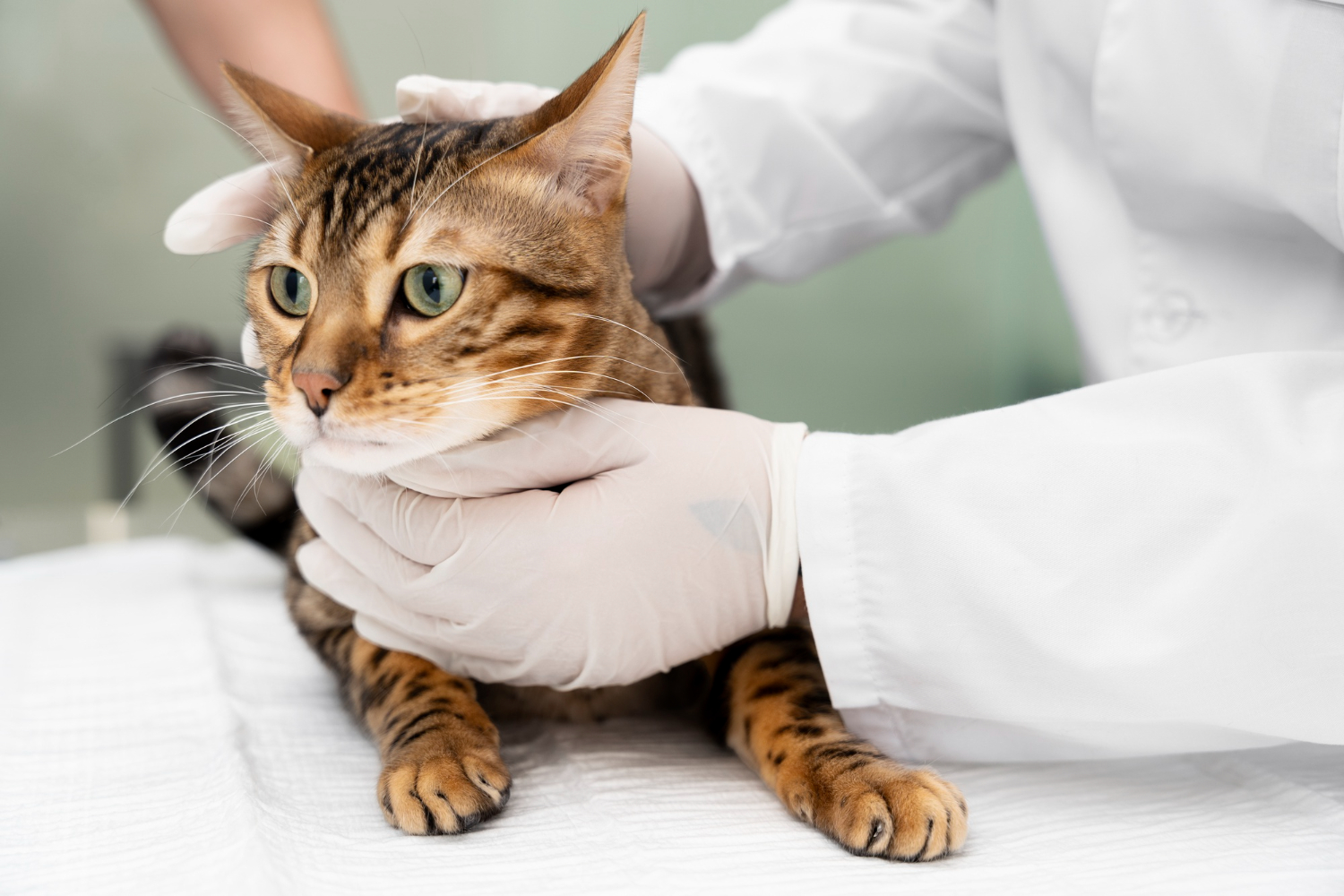
Feline hyperthyroidism is a condition in which a cat’s thyroid gland produces too much of the hormones T3 (triiodothyronine) and T4 (thyroxine). In moderation, these hormones act as the body’s internal speed controller, regulating how fast the body uses energy, how quickly the heart beats, and how efficiently organs function.
It is caused by a benign, non-cancerous growth called an adenoma on one or both lobes of the thyroid gland. In a small percentage of cases, about 3%, the condition also leads to thyroid cancer.
Cats are especially prone to hyperthyroidism due to age-related changes in the thyroid gland, and their unique metabolism further increases the risk.
Research suggests that environmental and dietary factors, such as canned food linings, a poor diet, and long-term exposure to flame retardants, may contribute.
Early signs are not always clear and easy to miss, which is why many cats are diagnosed only after noticeable changes occur.
As the thyroid hormone levels rise, the cat’s body begins to work much faster than it should. Metabolism speeds up, causing rapid calorie burning and weight loss. The heart works harder, leading to an increased heart rate and blood pressure, exhaustion of vital organs, including the heart, kidneys, and muscles.
How to Recognize the Signs
Hyperthyroidism affects multiple systems at once. For example, excess thyroid hormones speed up metabolism, strain heart function, disrupt digestion, and overstimulate the nervous system.
Because so many systems are involved, symptoms vary widely from cat to cat. The disease unfolds slowly, and each passing week adds another small clue that is easy to overlook.
Early Common Symptoms of Hyperthyroidism
- Weight loss, but constantly hungry, begging, stealing food, pestering owners.
- Restlessness, pacing, excessive vocalization, and inability to settle.
- Increased thirst and frequent urination throughout the day.
- Rapid heart rate and heat intolerance, seeking cool surfaces or floors.
- Vomiting or diarrhea every day.
- Dull, greasy, or poorly groomed coat.
- Irritability, anxiety, or sudden personality changes.
- Muscle weakness and visible muscle wasting.
At first, many of these symptoms blend quietly into daily life. Over time, the hormonal imbalance begins to affect deeper systems that cannot be seen from the outside.
It is when hyperthyroidism shifts from being uncomfortable to becoming dangerous.
Signs that Require Immediate Attention
- Fast heartbeat or rapid breathing.
- Heart murmurs with abnormal rhythms.
- High blood pressure and panting.
- Sudden vision loss from retinal damage.
Diagnosis of Hyperthyroidism and Health Risks
Diagnosing hyperthyroidism is usually straightforward because the disease clearly appears on blood tests.
Veterinarians begin with a physical exam, checking for an enlarged thyroid gland, a fast heart rate, or other signs. Eventually, the diagnosis is confirmed by measuring T4 levels in the bloodstream.
Since hyperthyroid cats have abnormally high T4, a simple blood sample can confirm the condition immediately, meaning vets also perform additional tests on the kidneys, liver, heart, and blood pressure to understand how your cat’s body is handling the strain.
While many cats show clearly elevated thyroid hormone levels, about 10–15% of cats fall into a “borderline” T4 range. In these cases, hormone levels are slightly high but not high enough to confirm the disease with a single test. Repeated blood tests or more advanced diagnostics are needed to catch the condition early, before symptoms worsen.
These extra steps also help choose the safest and most appropriate treatment method, such as medication, radioactive iodine, or surgery.
Here are the standard diagnostic tests for feline hyperthyroidism.
1. Total T4 (Thyroxine) Blood Test
It is the primary screening test for hyperthyroidism and measures the amount of thyroid hormone circulating in the bloodstream.
In most affected cats, T4 levels are clearly elevated, making diagnosis straightforward.
2. Free T4 (FT4) Test
This test measures the active, unbound portion of thyroid hormone. It is beneficial when total T4 levels are borderline or normal despite clinical symptoms.
Free T4 can help detect early or mild disease that total T4 testing may miss.
3. Complete Blood Count (CBC)
A CBC evaluates red and white blood cells. While it does not directly diagnose hyperthyroidism, it helps identify related problems, such as anemia, inflammation, or infection, that may influence treatment decisions.
4. Blood Chemistry Panel
This panel provides the chart of organ function, particularly the kidneys and liver.
Because hyperthyroidism affects metabolism and blood flow, the effect on these organs guides treatment planning and monitoring.
5. Urinalysis
Urine testing provides essential insight into how well the kidneys concentrate urine and whether underlying kidney disease is present or developing.
6. Kidney Function Tests
Kidney health is evaluated using blood markers such as Blood Urea Nitrogen, creatinine, and SDMA.
These tests show how effectively the kidneys filter waste and help detect early kidney dysfunction, which is common in older cats.
7. Blood Pressure Measurement
High blood pressure is normal in hyperthyroid cats due to increased heart activity and vascular strain.
Measuring blood pressure and detecting hypertension early helps prevent complications such as heart damage or sudden vision loss.
8. ECG or Echocardiogram
These heart tests are used when a cat shows signs of cardiac stress.
They evaluate heart rhythm, wall thickness, and overall heart function, helping detect hypertrophy or irregular heartbeats caused by prolonged hormone excess.
Treatment Options for Feline Hyperthyroidism
Some treatments focus on daily management, while others aim for a permanent cure. Age, kidney health, heart condition, availability of facilities, and even your cat’s personality all play a role in deciding what works best.
However, the good news is that with the right plan, most cats go on to live comfortable, happy lives for many years.
1. Medication: Methimazole
Medication is often the first treatment option owners explore because it is widely available, affordable, and effective for many cats.
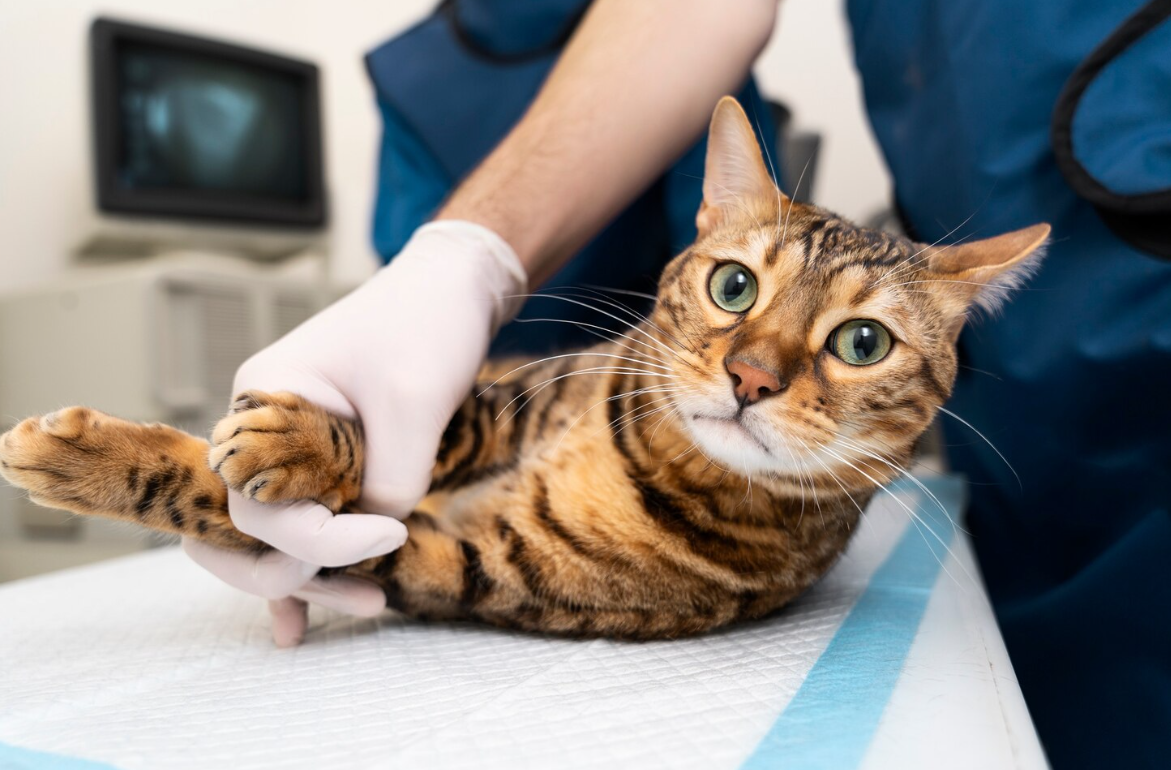
Methimazole is the most prescribed drug and comes in several forms, including tablets, liquid, and a transdermal gel applied to the ear. It works by blocking the thyroid gland’s ability to produce excess hormones.
While methimazole does not cure hyperthyroidism, it successfully controls hormone levels as long as the medication is given consistently.
Moreover, about 70% of hyperthyroid cats begin treatment with methimazole, either temporarily or long-term. Veterinarians often use it first to see how a cat’s kidneys respond once thyroid levels normalize.
Proven Benefits of Methimazole
- Improves clinical signs within two to three weeks.
- Dosage easily adjusted based on blood test results.
- Multiple administration forms improve owner compliance.
- Suitable for cats ineligible for definitive treatments.
- Useful for evaluating kidney function during hormone reduction.
Possible Side Effects of Medication
Most cats tolerate methimazole well, but a small percentage may develop side effects.
These reactions usually appear early and are often manageable with dose adjustments or formulation changes.
- Vomiting or nausea during the early treatment period.
- Facial itching or skin irritation around the head.
- Elevated liver enzymes require medication adjustment.
- Decreased white blood cell counts in rare cases.
- Reduced appetite or temporary lethargy.
Because methimazole alters hormone production, regular monitoring is essential. It will be best to do,
- Blood testing every two to four weeks initially.
- Long-term monitoring every three to six months.
When Medication Is Best
Medication works best in situations where flexibility, caution, or accessibility matters most.
It allows treatment without major procedures in these cases.
- Senior cats with existing heart or kidney risks.
- Owners are comfortable administering daily lifelong medication.
- Limited access to radioactive iodine therapy facilities.
- Budget limitations affecting advanced treatment options.
2. Radioactive Iodine Therapy (I-131)
Radioactive iodine therapy is considered the most effective and definitive treatment for feline hyperthyroidism.
It involves a single injection of radioactive iodine, which is absorbed only by overactive thyroid cells. These abnormal cells are destroyed, while healthy tissue remains unharmed, offering a 95–98% permanent cure rate after just one treatment.
The procedure does not require anesthesia and feels like a routine injection. Cats usually stay in a specialized facility for 3–7 days to allow radiation levels to decrease safely.
Advantages of I-131
- It provides the highest cure rate among all available treatments.
- No anesthesia or daily medication required.
- It selectively destroys only abnormal thyroid tissue.
- Minimal side effects with long-term effectiveness.
- Cost-effective compared to lifelong medication expenses.
Considerations for Implementing I-131
Despite its benefits, radioactive iodine therapy requires planning. Availability and short-term restrictions may influence whether it is a practical option.
- It requires specialized licensed treatment facilities.
- Pets need a short isolation period following treatment completion.
- Higher initial cost compared to medication.
When I-131 Is Ideal
This strategy is most effective for owners who are prepared for a one-time fix and for cats who can withstand an enduring approach. Furthermore, it will be helpful to look for these conditions.
- Cats without advanced or unstable kidney disease.
- Cats are not getting the benefit from oral or topical medication.
- Owners preferring permanent disease resolution.
- Cats experiencing adverse medication side effects.
Even after a cure, a 3-month follow-up test is beneficial to ensure hormone levels remain stable during recovery.
3. Surgery (Thyroidectomy)
Surgical removal of the thyroid gland is another effective treatment option, particularly in regions where I-131 therapy is unavailable. It is also referred to as thyroidectomy.
It is performed by an experienced medical team with a vet-surgeon. This surgery offers an 80–90% cure rate. The process involves directly removing abnormal thyroid tissue.
It eliminates the need for lifelong medication.
However, surgery requires general anesthesia, so it may not be suitable for cats with significant heart disease or advanced age.
Benefits of Surgery for Hyperthyroid Cats
- Permanent treatment eliminating abnormal thyroid hormone production.
- No daily medication required after successful recovery.
- Rapid improvement in appetite, weight, and activity.
- Immediate removal of abnormal thyroid tissue.
- Long-term hormone control without medication dependence.
Risks and Considerations
Surgery can be one of the best solutions, but it also involves certain risks.
- Potential injury to parathyroid calcium-regulating glands.
- Temporary or permanent low calcium levels are possible.
- Postoperative swelling can affect breathing in rare cases.
- Recurrence risk if the abnormal tissue parts remain.
Best Candidates for Surgery
The process of patient selection is essential for achieving positive outcomes and minimizing complications. Here is the checklist.
- Younger cats with minimal concurrent medical conditions.
- Cats with benign thyroid enlargement confirmed.
- Cats responding well to preoperative methimazole therapy.
- Owners seeking one-time definitive treatment.
- Cats who are unsuitable for radioactive iodine therapy.
After surgery, it is best for cats to stay in the hospital for a few days. It helps veterinarians monitor calcium levels, which may drop if nearby parathyroid glands are temporarily affected.
Moreover, pain control, proper hydration, and soft meals support healing during the first few days.
Once home, it will help if you provide a quiet space for your fur baby with minimal activity and stress.
Cost of Hyperthyroidism Treatments
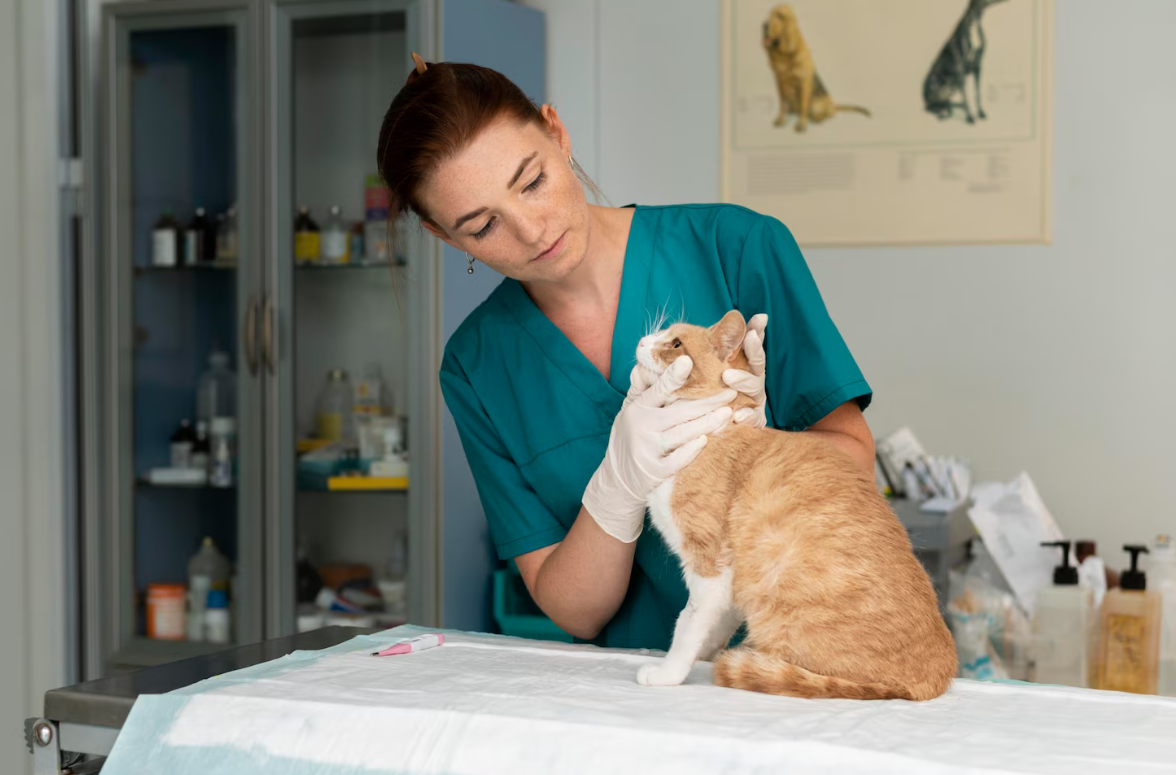
The cost of treating feline hyperthyroidism in the United States depends on whether the treatment involves ongoing management or a one-time solution.
Medication spreads costs over months or years, while radioactive iodine therapy and surgery require higher upfront payments.
However, those one-time treatments often reduce long-term expenses by eliminating daily medication, frequent blood tests, and repeated vet visits.
Cost Comparison of Hyperthyroidism Treatments
|
Treatment Type |
Initial Cost |
Ongoing Cost |
Long-Term Cost |
|
Methimazole |
$20–$60 per month start |
$300–$600 yearly |
Increases over time. |
|
Radioactive Iodine (I-131) |
$1,500–$2,500 one-time |
Minimal |
Lowest lifetime cost. |
|
Surgery (Thyroidectomy) |
$1,200–$2,000 one-time |
Low follow-up costs |
Moderate long-term expense. |
Conclusion
Hyperthyroidism may feel scary when it occurs. However, with the early recognition and timely treatment, the condition becomes far less frightening.
Your furry member absolutely can, and does live long, healthy lives after diagnosis.
Contact Urban Pet Hospital and Resort, the best pet hospital in Urbandale, for expert guidance on choosing the proper treatment, whether methimazole, radioactive iodine therapy, or surgery, according to your cat’s needs, with close veterinary support at every step.
Add comment
Category List
Post List
Newsletter
Get notified when a new post is published.
CONTACT US