How Bringing in Other Pet Animals Home May Affect Your Dog
Bringing a new pet home can be an exciting experience for both pet owners and the pet but beware not every pet may feel welcoming when you already have a pet home.
It can be a stressful experience because of changes in attention, territory, smells, sounds, and daily routine.
The solution is to minimize fear and jealousy, choose compatible animals, prepare separate spaces, and introduce both pets slowly, with proper supervision and respect for each animal’s needs.
Read on understanding your pet's feelings and make the adoption transition easier.
Why a New Pet Affects Your Old Pet
Pets become familiar with their home, daily routine, family members, and the amount of attention they receive. When a new pet enters the house, these familiar patterns can suddenly change.
Your pet may find unfamiliar smells, noises, movements, feeding schedules, and sleeping arrangements. They may also feel jealousy when another animal starts using spaces, toys, or family attention that previously belonged only to them.
Although some dogs adapt quickly, others need more time to understand that the newcomer is not a threat. Sociable breeds such as Golden Retrievers, Labrador Retrievers, Cavalier King Charles Spaniels, Basset Hounds, and Pugs are often more accepting of other animals when properly introduced.
Meanwhile, other breeds with strong hunting and territorial skills require carefully managed introductions.
Here are some of the main reasons why bringing a new pet home may affect your dog,
- Change in territory: Your dog may feel uncomfortable when a new animal begins exploring areas, they consider their own.
- Reduced individual attention: Sharing your time with another pet can make some dogs seek extra attention.
- Unfamiliar smells and sounds: New scents, noises, cages, litter boxes, or animal movements can initially make your dog curious or nervous.
- Changes in routine: Different feeding, walking, play, or sleeping schedules may disturb the routine your dog already understands.
- Different animal behavior: A cat, rabbit, bird, or another dog may communicate and behave differently, which can confuse your dog during the first few interactions.
.png)
Tips to Introduce a New Pet to Your Dog
For a successful introduction, focus on helping both pets feel safe, comfortable, and in control of their surroundings. Also, give them enough time to become familiar with each other's presence while preventing stressful or unsafe interactions.
Here are some practical tips,
1. Choose a Compatible Animal
Before bringing in a new pet, prepare an adoption plan based on your dog’s age, personality, size, and activity level. Also consider how your dog usually behaves around other animals.
For example, an older and quiet dog may feel stressed around a very playful puppy or kitten. Some dogs also like to chase small animals, so pets like rabbits, hamsters, or birds may need extra care.
Learn a little about the new animal’s behavior and needs before adopting. Choosing a compatible pet can help both animals adjust and live together.
2. Prepare Separate Spaces
Give both animals their own safe areas before introducing them directly.
Your dog should continue to have access to familiar sleeping areas, food bowls, toys, and resting places. The new pet should also have a separate space where they can eat, sleep, and relax without being approached by your dog.
Having separate spaces helps both pets feel safe. It also gives them time to get used to each other’s smell and sounds before spending more time together.
3. Introduce Both Pets Slowly
Do not put both pets together right away and expect them to get along.
Start by allowing them to notice each other's scent or presence from a comfortable distance.
You can use a pet gate, doorway, carrier, or another safe barrier, depending on the type of pet you are introducing.
Keep early interactions short and calm. Gradually increase the amount of time they spend near each other as long as both animals appear comfortable. However, if either pet becomes frightened, overly excited, or stressed, give them space and try again later.
4. Provide Proper Supervision
Always watch your pets closely during their first meetings. Even if they seem friendly, they may react differently while they are still getting used to each other.
Moreover, pay attention to your dog’s behavior and how the new pet reacts. Do not force them to get close, play, or share the same space.
Avoid leaving them alone together until you are confident they are comfortable around each other. Small pets such as rabbits, hamsters, or birds may still need a safe barrier or separate area even after your dog gets used to them.
5. Respect Each Animal's Needs
Every pet needs a different amount of time to adjust. Your dog may want extra attention, while the new pet may need more quiet time and personal space.
Continue giving your dog regular walks, playtime, affection, and one-on-one attention so their normal routine does not disappear after the new pet arrives.
At the same time, provide the newcomer with appropriate food, shelter, play, rest, and personal space. Respecting both animals' boundaries helps them learn to share the same home safely.
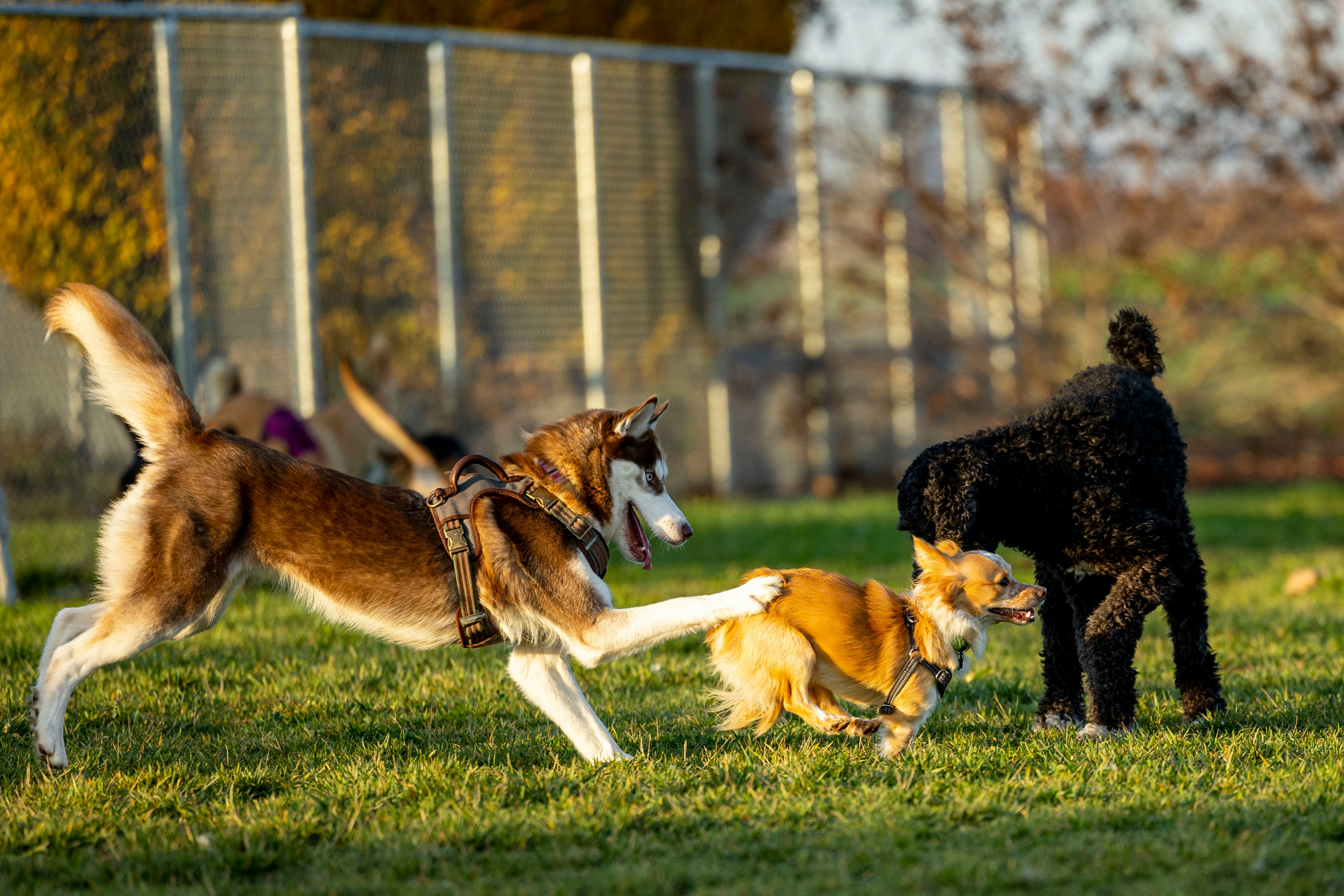
Fun Activities to Bring Pets Together
Here is a fun list of activities to help new and old pets get along at home, featuring parallel play, scent swapping, and treat games.
Scent and Safety Activities
- Scent Swapping: Rub a towel on the new pet and place it near the old pet's bed so they learn each other's smell safely.
- Door Peek: Feed both pets on opposite sides of a closed door so they hear each other while eating good food.
- Baby Gate Buffer: Let them see each other through a clear baby gate from a safe distance without touching.
Interactive Playtime
- Parallel Walking: Walk both dogs together in a quiet yard or down the street with two people holding separate leashes.
- Side-by-Side Treat Time: Sit with both pets a few feet apart and give them tasty snacks at the same time.
- Independent Toy Toss: Toss two different balls in opposite directions, so they focus on the game instead of each other.
Conclusion
Sharing your home with more than one pet can take a little time to feel natural. Your dog and the new pet may need days or even weeks to understand each other and settle into the change.
With patience, gentle care, and enough time, both pets can begin to feel safe, relaxed, and at home together.
As your pet family grows, Urban Pet Hospital and Resort is always here to care, support, and be there for you along the way.
Add comment
Category List
Post List
Newsletter
Get notified when a new post is published.
CONTACT US